
St Mary’s Senior Girls School
School science lab in Dunmanway. The girls are getting microscopes ready.
Emma: You know, every time we are in here in the school lab, I think it’s mad that one Dunmanway family was at the heart of Dunmanway’s early industry with a tannery producing leather, sawmills….. and … now one of them is a specialist about tiny germs and genes.
Leah: That sounds like one of your history stories. Which family is it ?
Sara: The Atkins family, of course. Emma talks about them more than about homework! It’s a great story.
Emma: The Atkins name is part of Dunmanway’s history. They came to the town in the 1700s having originally lived in the Lettergorman area in the late 1600s.
Leah: So before Bunsen burners, they just had cows?
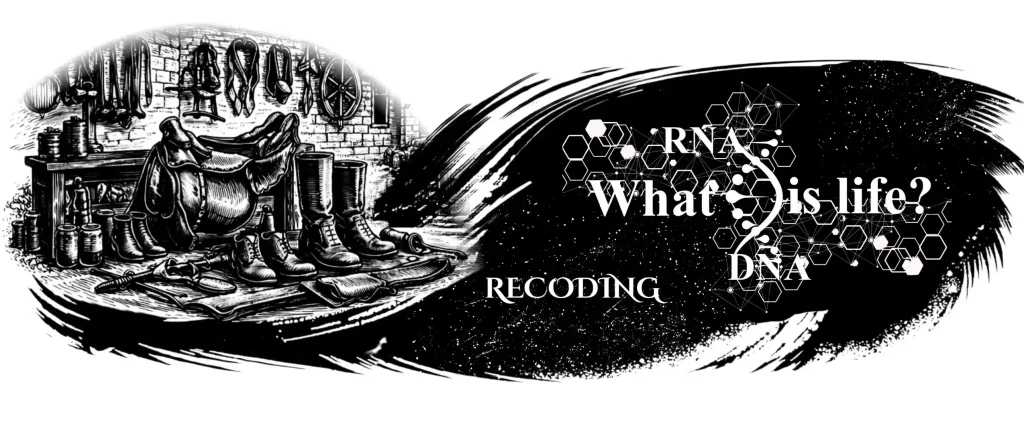
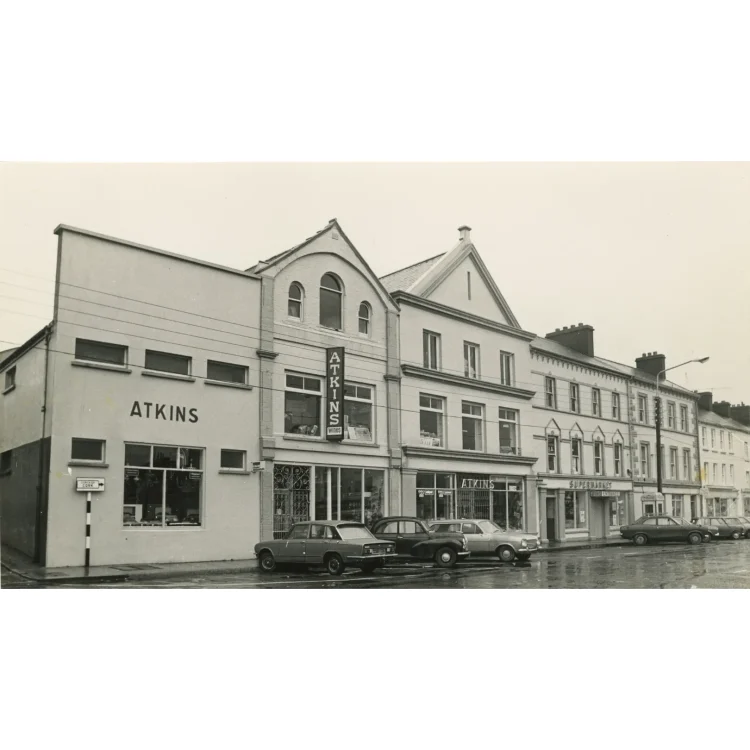
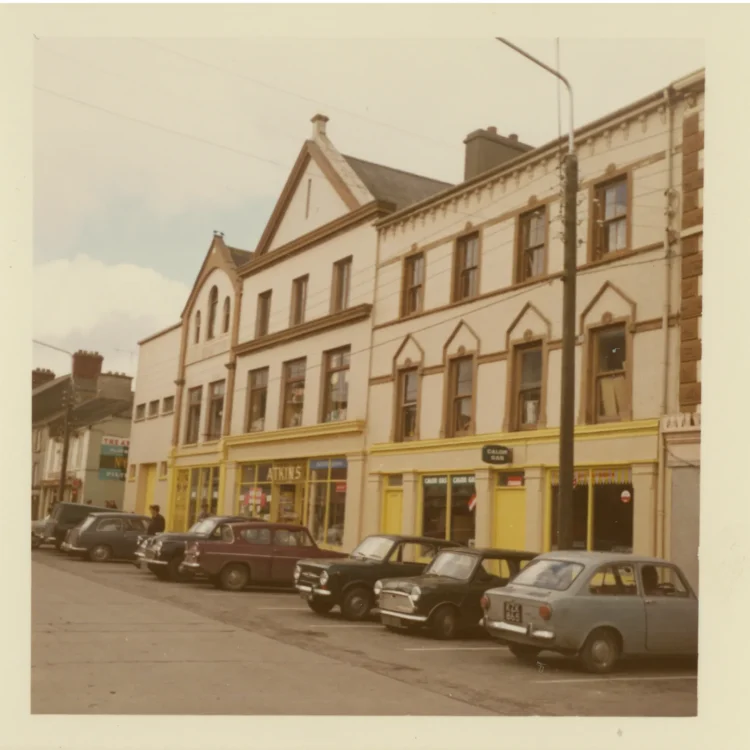
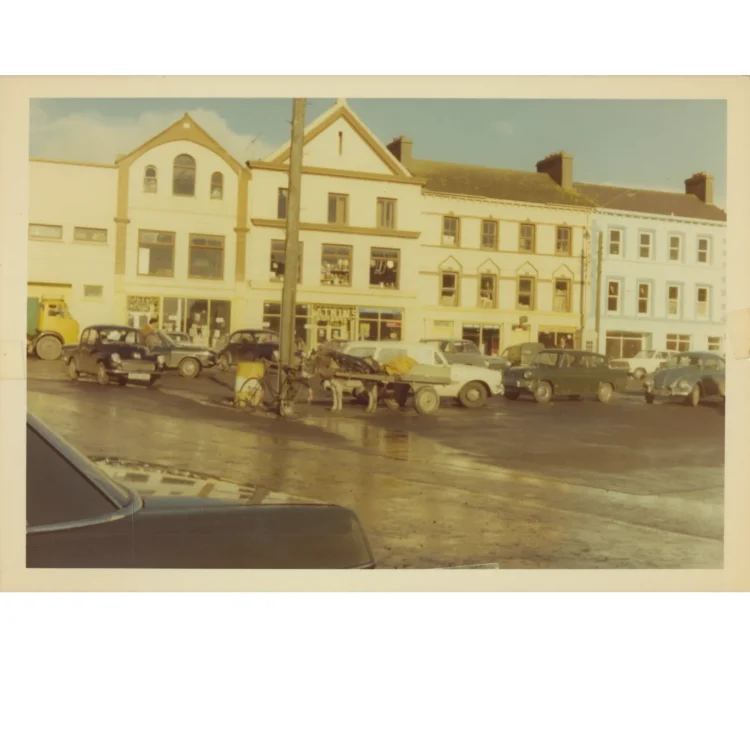
Emma: Kind of! In the late 1700s, John Atkins set up a tannery on River Lane – that’s Tanyard Lane near the car park but closer to the river near the current post office. They used local animal skins and turned them into leather for boots and horse harnesses. It helped turn Dunmanway from just a market town into a busy working town.
Sara: I read that most of the skins were local, but some even came all the way from Colorado in America. Imagine those skins travelling that far in the 1800s!
Leah: The jobs had cool names – curriers and tanners. Curriers smoothed the leather; tanners changed the raw skin into proper leather. Did you know that they used oak bark to tan a hide and the process took nearly 9 months?
Emma: There were three tanneries over a period of nearly two hundred years, with stables and a bridge over the river. The last tannery closed in 1929 and was demolished in 1961, the same year – the last train left the town.
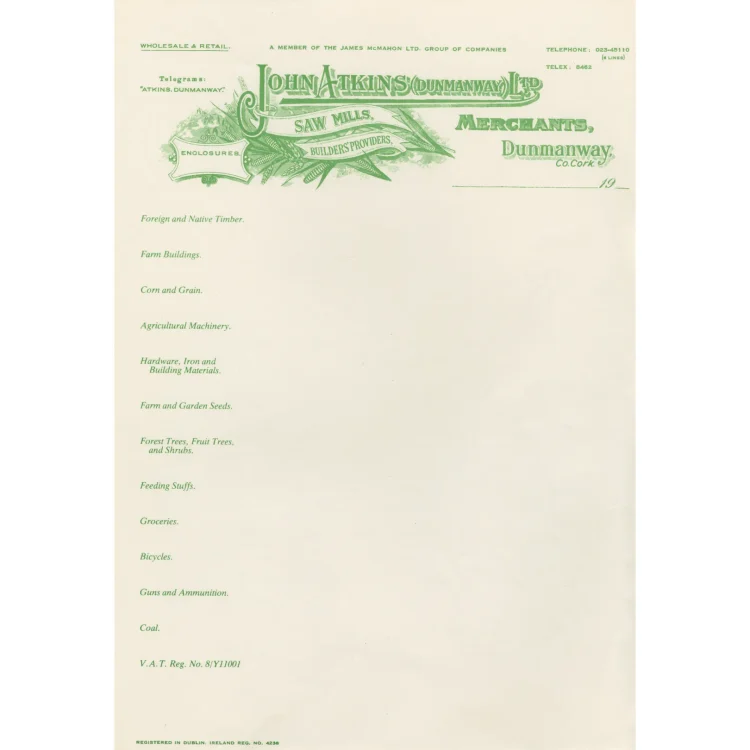
Leah: They did not stop there. They had sawmills too, and in 1878 the Atkins family opened an agricultural shop in Cork city. That grew into John Atkins & Co. Ltd – still selling farm machines and garden stuff today.
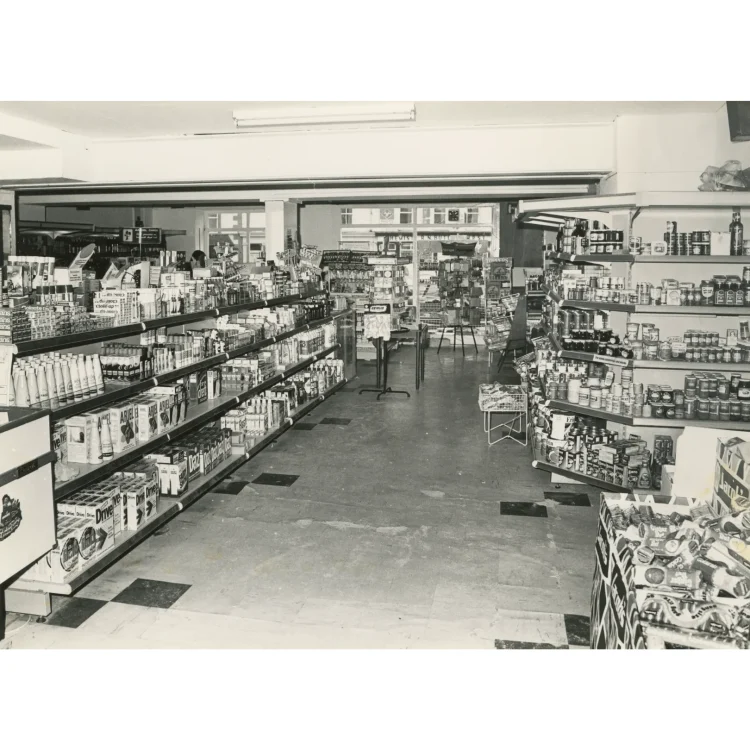
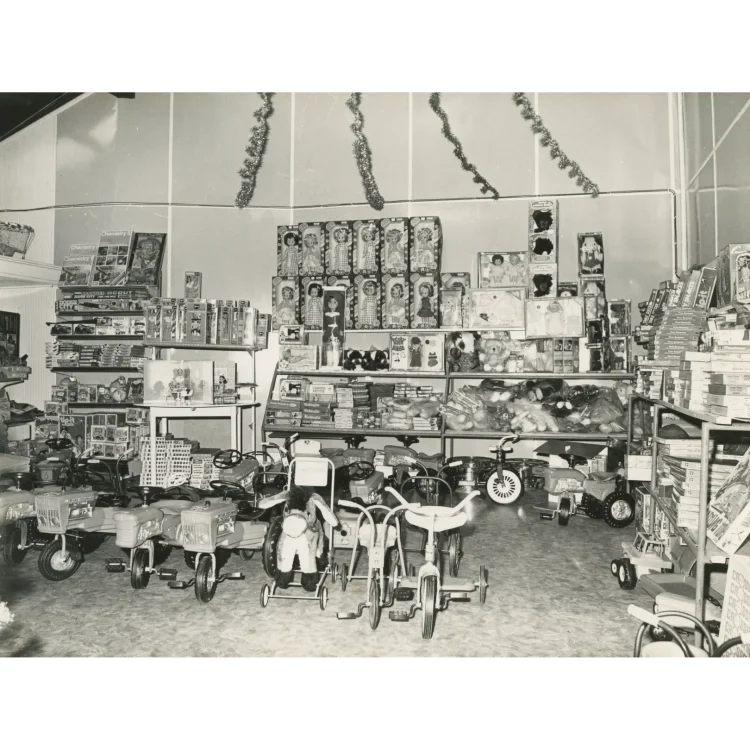
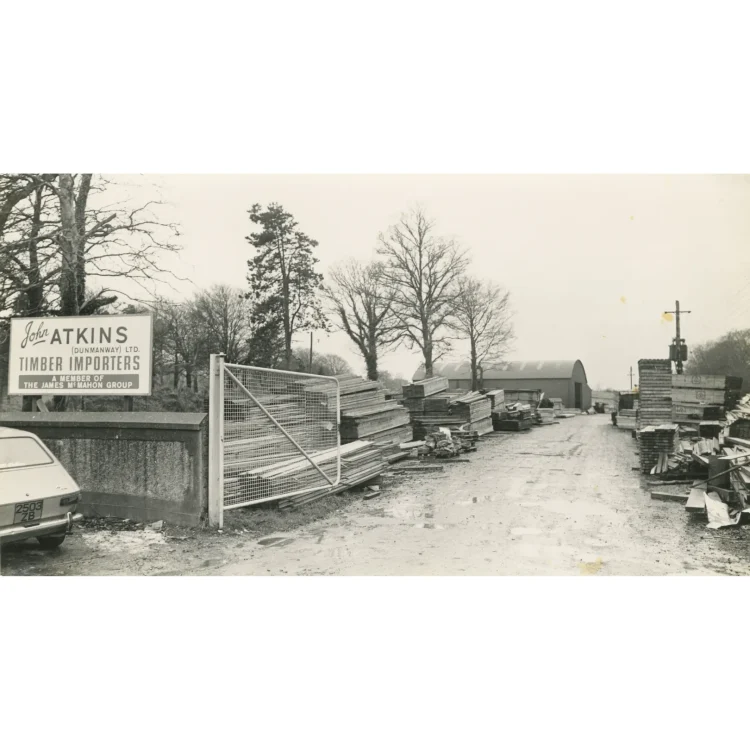
Emma: “Atkins Mills” here in town used a strong engine called a Blackstone engine to power the mill. Their “Supreme” grocery brands, sawmills, and shops were part of everyday life in Dunmanway until the business was sold to McMahons of Limerick in 1974.
Sara: And then the story jumps into 21st century- science! Professor John F. Atkins – from the same family – is a scientist who studies how our cells read instructions from our genes.
Emma: Like when a recipe tells you how to bake a cake?
Sara: Exactly. It’s the recipe book in our cells – it is kind of hard to describe. Maybe when we get to secondary school – it will be easier to understand. It’s all about Recoding they say!
Leah: Professor Atkins was the first Irish person in a big science group called the European Molecular Biology Organization. He managed laboratories in many countries including at University Collee Cork and is an honorary professor of genetics at Trinity College – where he studied as a student.
Sara: In the late 1960s and 70s he showed that cells do not always read the RNA instructions in a simple way. Sometimes they “change gear” while reading. That idea is called “recoding.” He co- invented the word Recoding ! It sounds tricky, but it helps scientists understand how life works.
Emma: So the family went from lining up animal skins in the tannery….… to lining up tiny genetic instructions.
Sara: He wrote important books about RNA.
Leah: And in 2013 he helped bring a big sculpture called “What is Life?” to the Botanic Gardens in Dublin – blending science and art.
Sara: Scientists were so impressed with his work that they even named a whole family of tiny viruses after him: Atkins viidae. That’s a huge honour.
Emma: During Covid, his team in UCC and a Swiss team found a weak point in how the Covid virus copies itself. Discoveries like that can help make better treatments in the future.
Leah: So the Atkins family went from tanning hides and running mills… to studying genes and helping fight pandemics.
Sara: That really is some family history.
Emma: And it all started here in Dunmanway.
To download the full set of colouring sheets from the Dunmanway Stories on the Street Series, click here: