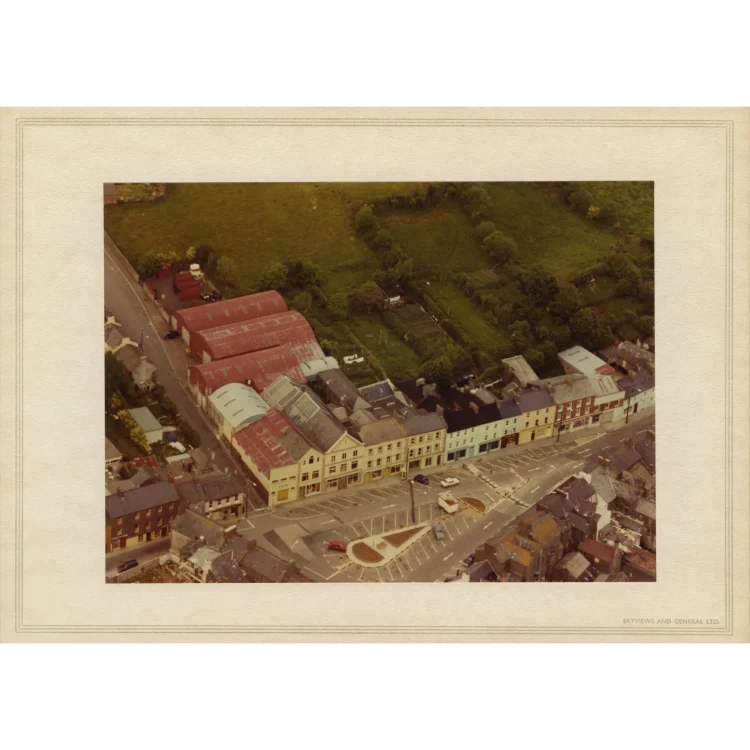
Plaque 2: The Market Square & Commercial Development over the centuries
School:
Kilnadur National School
Characters:
Setting:
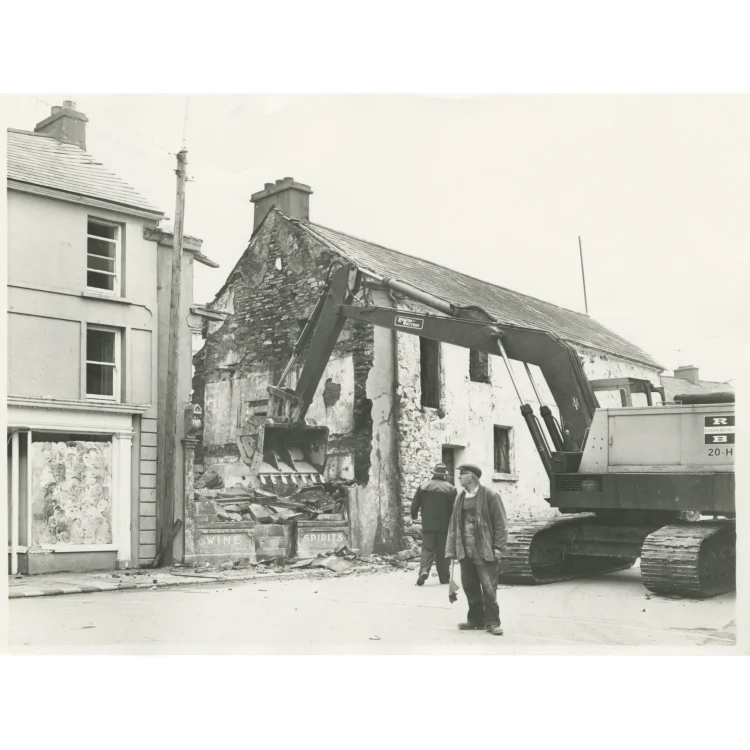
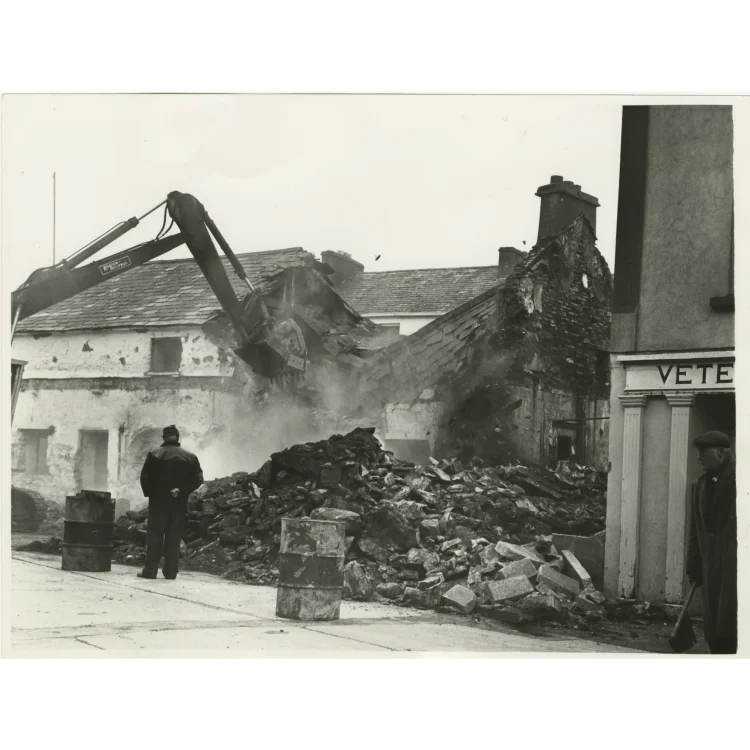
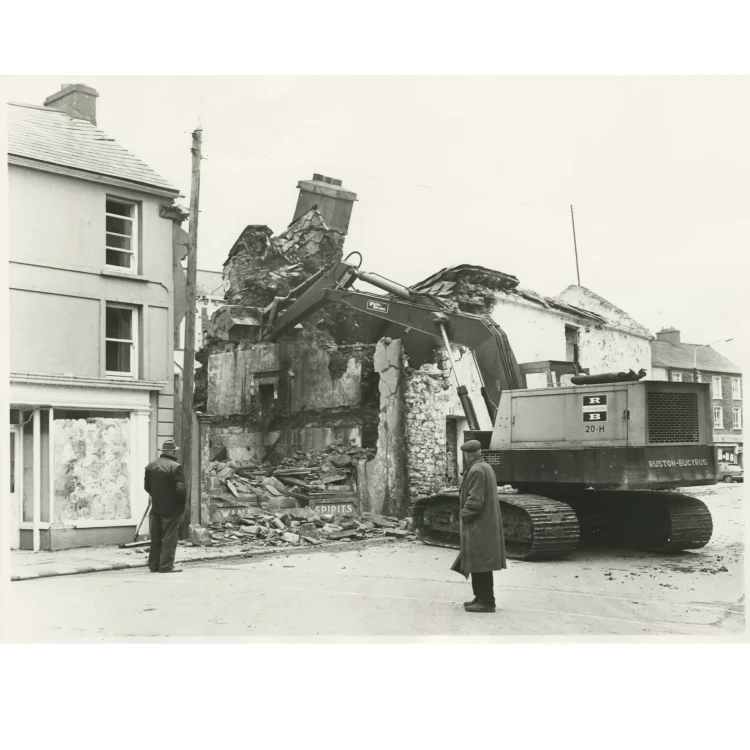
The scene is set in 1972 – there is a sound of a digger demolishing the Market House.
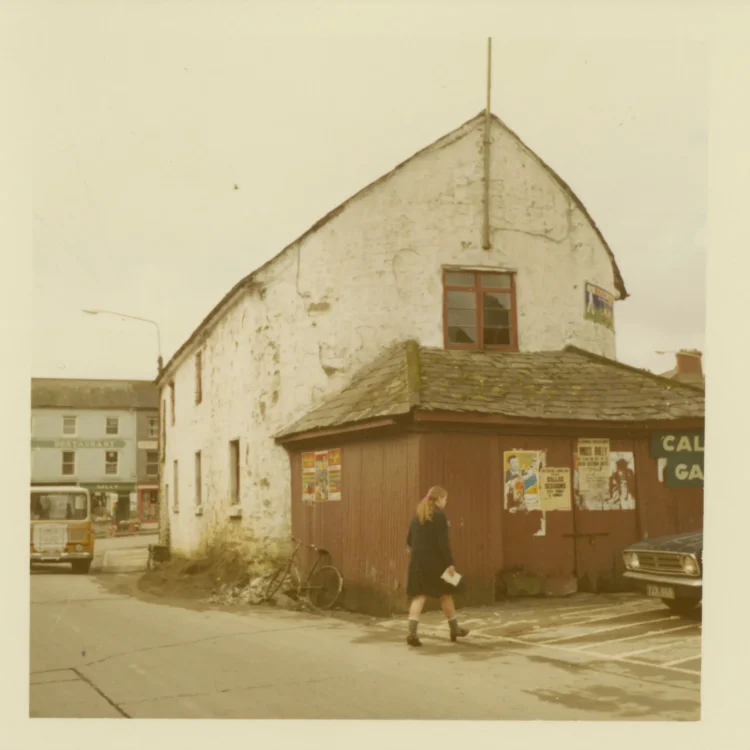
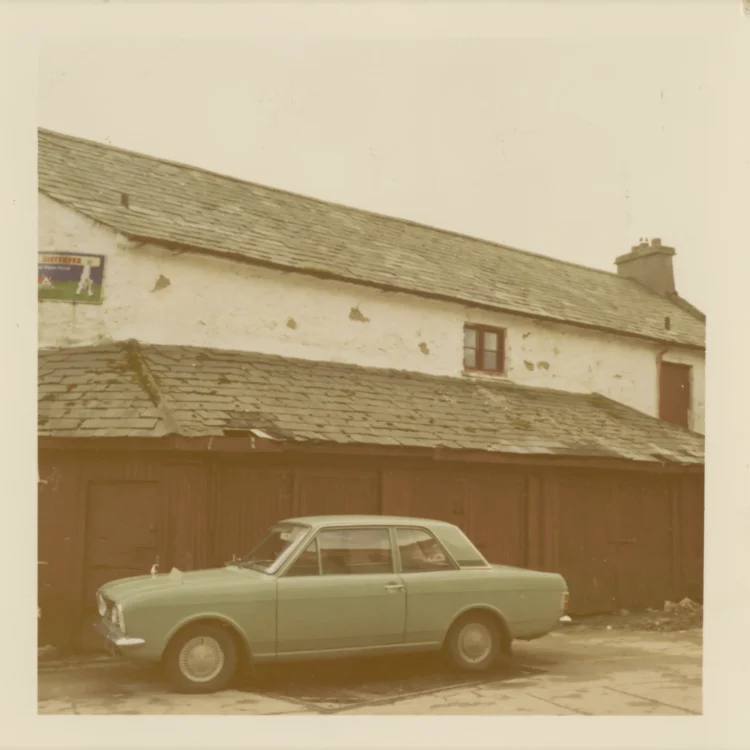
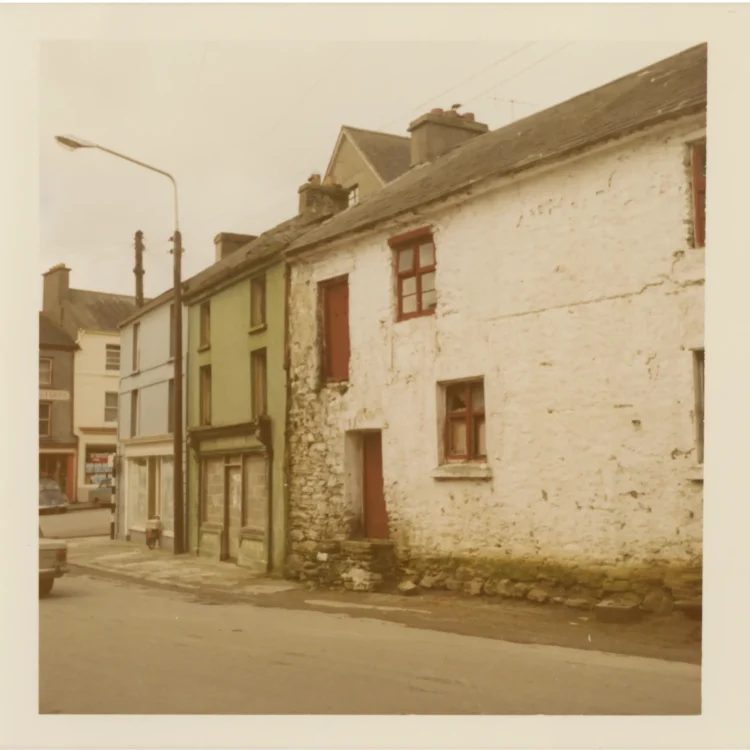
Narrator : It is March1972 – there is a sound of a digger demolishing a building- in fact it is a digger demolishing the centre of Dunmanway Market Square, which comprised the Market House and several other buildings, a public house, a veterinary practice, the market house and Paris house. Two children Sean and Aoife are standing in the Square watching the bulldozers in action.
Seán: Look at that, Aoife. The poor Market House is getting a big thud from the bulldozer.
Aoife: I can’t believe they’re knocking it down. It’s been here since the early 1800s.
Seán: Mam said it might even have bits of the old MacCarthy Castle in it. Imagine recycling a whole castle into a Market House. That’s extreme upcycling !
Aoife: “New Market House: now with extra castle in it!” – I wonder what people said about it when they built it ?
(Bulldozer roars.)
Seán: There goes the mid-18th and 19th‑century walls… crash, bang, history in a dusty heap.
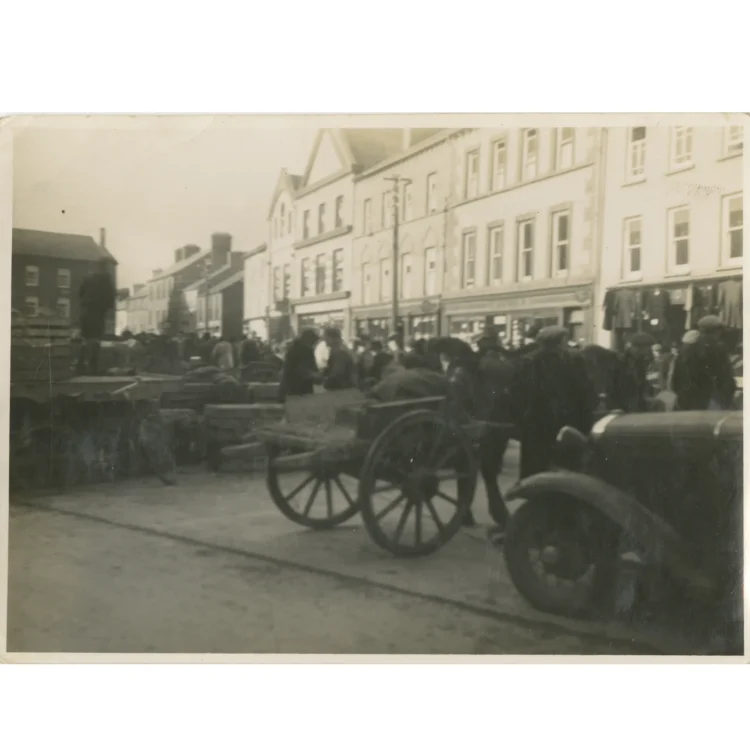
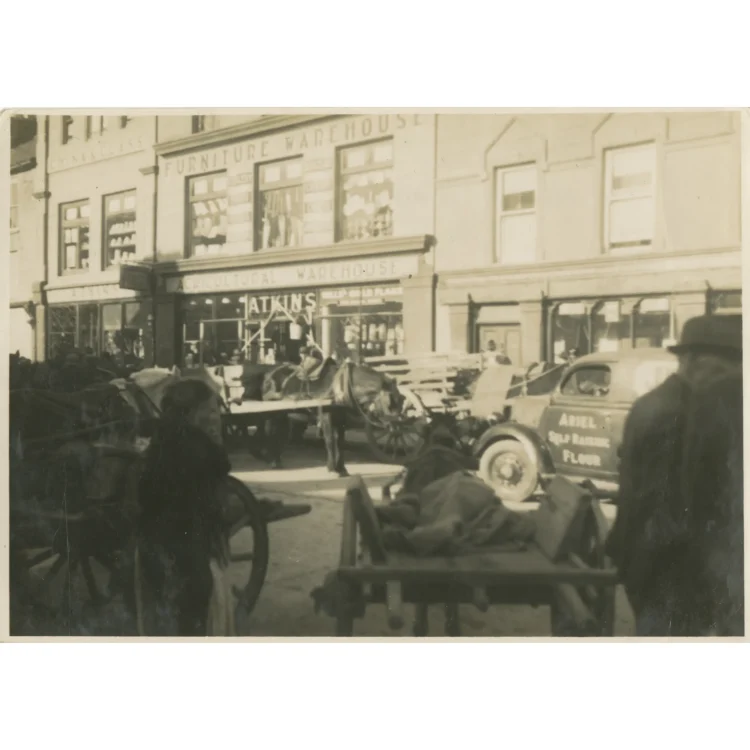
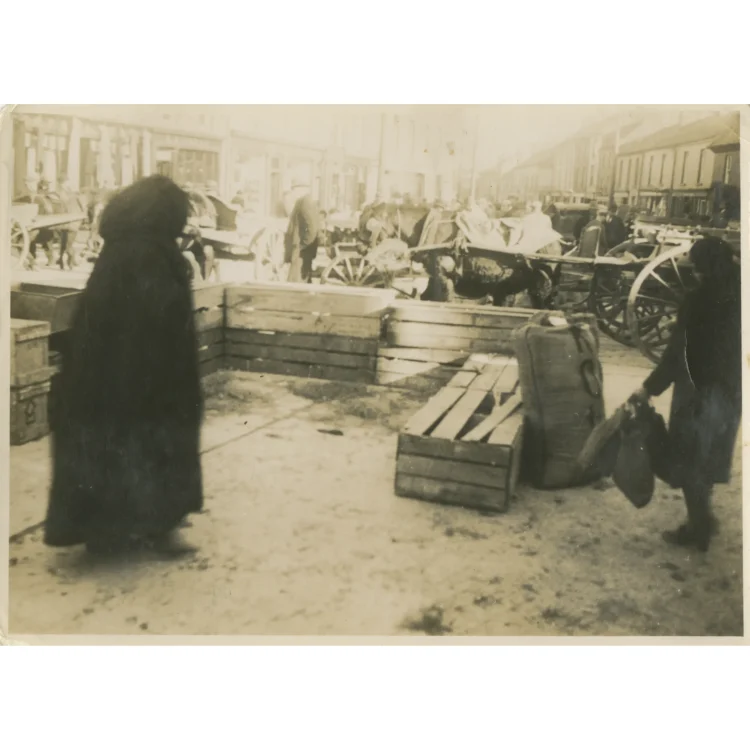
Aoife: Do you know what it was like here on market day long ago?
Seán: Bit like today, only with fewer cars and more cows. And posher writers. That fella William Makepeace Thackeray came through in 1842. He said the stagecoach only did seven miles an hour.
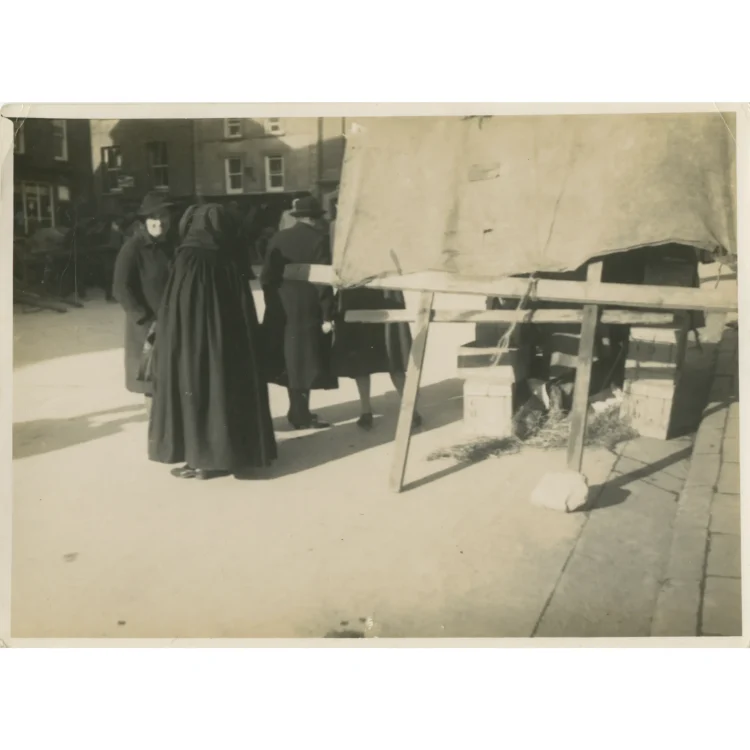
Aoife: Thackeray saw the Market House full of people, peasants in blue cloaks, women selling buttermilk, bullocks’ hearts and livers… and dried mackerel. So basically, a shop without a fridge.
Seán: And without the smell control. Tuesdays were market days, and there were big cattle fairs too – May 4th, first Tuesday in July, September 17th and November 26th. Imagine all the mooing.
Aoife: And all the pooping- horrible smells from chickens, ducks, geese , cows, pigs you name it-
(Both laugh.)
Seán: At the crossroads of the main streets stood this big Market House. It had a butter market, a constabulary station, courts, and even a victualler’s shop.
Aoife: A family called the O’Sheas lived upstairs. They took the town tolls until they were evicted in 1871 by Captain Shuldham. There were riots and everything. Imagine being thrown out of your house and it turning into a corn store.
Seán: Then in the early 1900s it got even busier: vet’s practice, a cinema upstairs, boxing gym, and later a Local Defence Force training hall. And a drapery called Paris House. Dunmanway’s own mini‑Paris.
Aoife: By the 1950s, the bottom bit stopped being a market and was just a store. No one thought the bulldozers would come next.
(Bulldozer knocks another chunk.)
Seán: Somewhere near Park Road there used to be a brewery in 1831 making 2,600 barrels of porter and ale a year. And tanyards down Tanyard Lane, and boulting mills grinding flour.
Aoife: Then there were the streetlights and the first electricity in 1911 from Gillespie’s powerhouse. All because someone thought Dunmanway was important enough for a 20‑horsepower unit. Very fancy.
Seán: And look – D. Crowley’s shop is still trading in the Square. Mrs. Dans lives on!
Aoife: Buildings fall, but the stories don’t- they live on in our town.