
Scoil Padraig
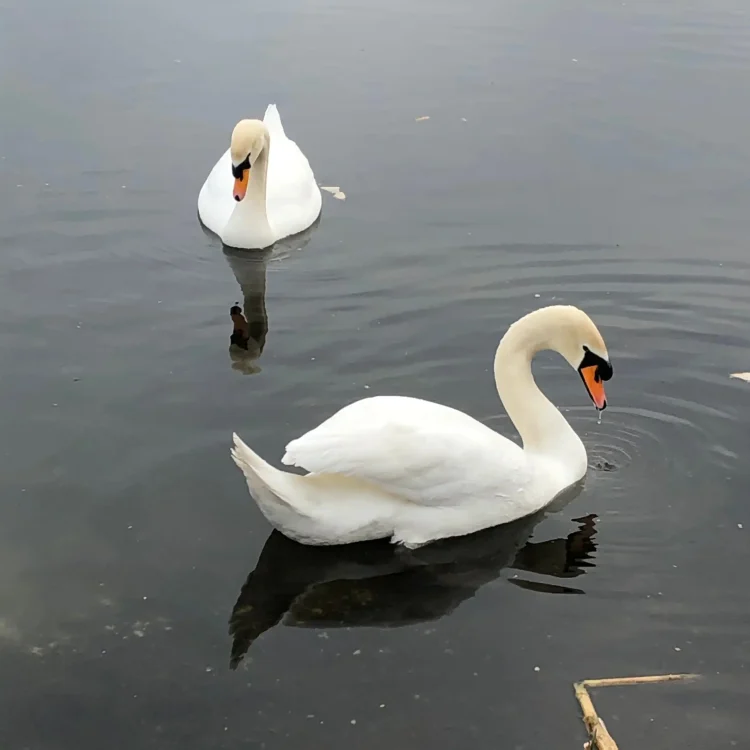
Dunmanway Lake a picturesque lake side picnic area that is it surrounded by nature and it is the backdrop to a rich history of personalities who worked, lived and visited in the area. On a sunny day, the lake is alive with ducks, swans and fish jumping including the notorious pike. Fed by streams that tumble down the northern hills beside Saint Patrick’s Church, the Lake itself in turn feeds a small stream that the drains into the Bandon River at the Longbridge. The Longbridge and the Lake have a history with the Cox family who founded the town of Dunmanway in 1693 and built the multiple arched bridge across the Bandon River. In the mid-1800s a priest Fr Buckley a priest who served in Enniskeane and Drimoleague composed a ballad singing the praises of Dunmanway town, a verse of which showcases the lake :
“tis there a lake is where with the duck and drake is,
And the crane can take his sweet feast of frogs ,
But when night comes round it, the spirits surround it,
Since in it was drowned Sir Richard Cox”
Tales of the lake are often spoken about locally. Local Lore claims that various members of the Cox family– not necessarily Richard, had tragic accidents at the lake, from spooked horses and carriages entering the water to boating accidents.
As regards famous visitors to the area of Chapel Street – let the pupils of Scoil Phadraig tell you more in the next audio segments.
Scoil Phadraig
The class is on a walking tour near the Lakeside, Dunmanway.
Teacher:
Come on, everyone! Today we’re going to hear about some very special people from Dunmanway’s past.
Patrick:
Mr Creedon, you said we’re going to talk about Father Doheny?
Teacher:
Yes. Father James Doheny was the parish priest here from 1818 for 30 years. He was born in Tipperary in 1786 and he was hardworking and outspoken.
Seán:
So – was he like the first priest of St Patrick’s Church?
Teacher: No, there was a small thatched earlier church already. The Penal Laws in the 1600s had stopped Catholics from building churches, but by the 1790s they were relaxed a bit.
James:
Penal Laws? What were they?
Teacher: They were harsh rules that stopped Catholics from owning land, voting, or even holding public office. Here, the local priest Father Coghlan used to say Mass in that tiny, thatched cabin near the long bridge.
Patrick:
So how did they all fit into the small cabin?
Teacher:
They didn’t – The story goes that Henry Hamilton Cox, a descendant of Sir Richard Cox who founded Dunmanway, saw lots of people kneeling near the bridge. He felt sorry for them as these were his tenants, so he gave Father Coghlan land nearby for a proper church in 1793.
Seán:
That’s kind of him!
Teacher:
Then In 1834, Father Doheny replaced that little church with the beautiful St Patrick’s Church we see today. He also built Togher and Ballinacarriga Churches. He was very hardworking. He was very popular in the community, but he wasn’t afraid to speak his mind. He didn’t like violent political groups. He believed in changing things the peaceful way, like Daniel O’Connell did.
Patrick: that O’Connell – known as the Liberator?
Teacher:
Yes! Father Doheny has some famous friends like O’Connell, Father Mathew- the temperance priest, and William Joseph O’Neill Daunt. Fr Doheny even held a huge “Great Repeal and Tithe Meeting” in 1832 in the church grounds, with thousands of people attending.
James:
Where did he live? Did he live in the presbytery where the priests live today?
Teacher:
In the 1830s he lived in a house in Gurteenasowna with his sister Alice, and later his brother Thomas and his family joined him. Thomas’s daughter Mary became his housekeeper a few years later and inherited the property. Local stories say it was Mary who hosted Daniel O’Connell and Father Mathew when they visited Dunmanway. Father Doheny later leased land on Doheny’s Lane for his brothers and himself as the family faced hardship.
Seán: When did he retire?
Teacher: He retired in 1848 and moved to Lakelands, where lived until he died there at 80 years of age. Nobody knows exactly where he is buried. Only his family lies in the Doheny Plot near the church.
Scoil Phadraig
Teacher:
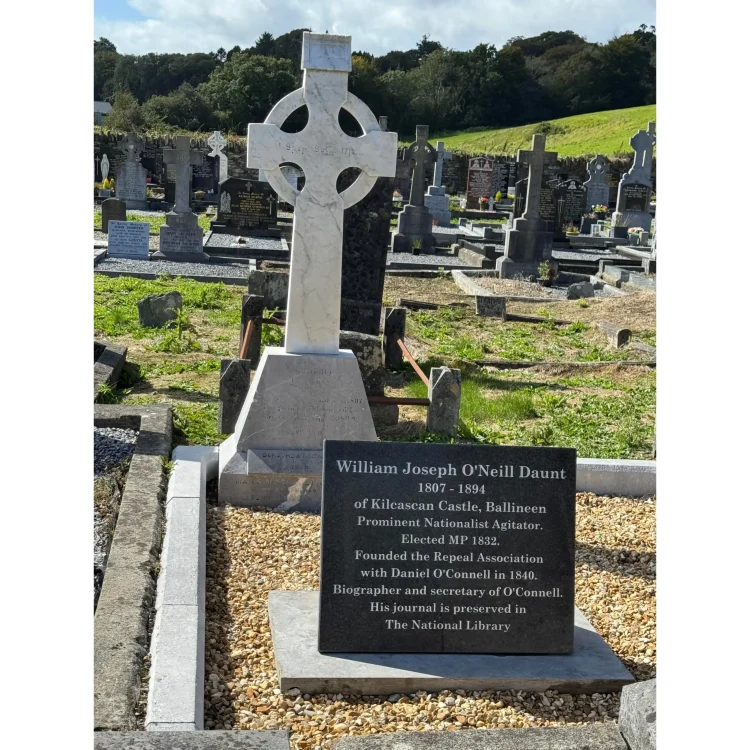
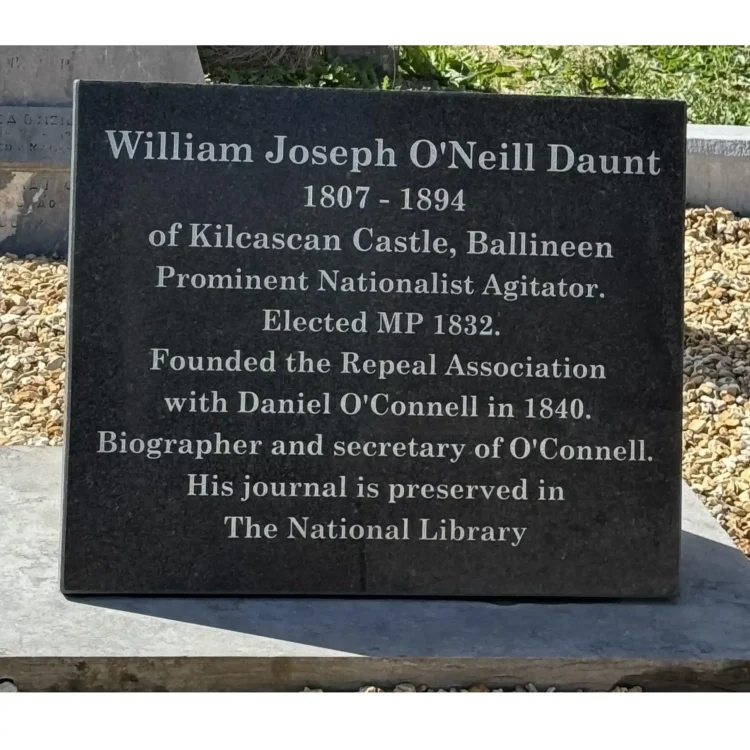
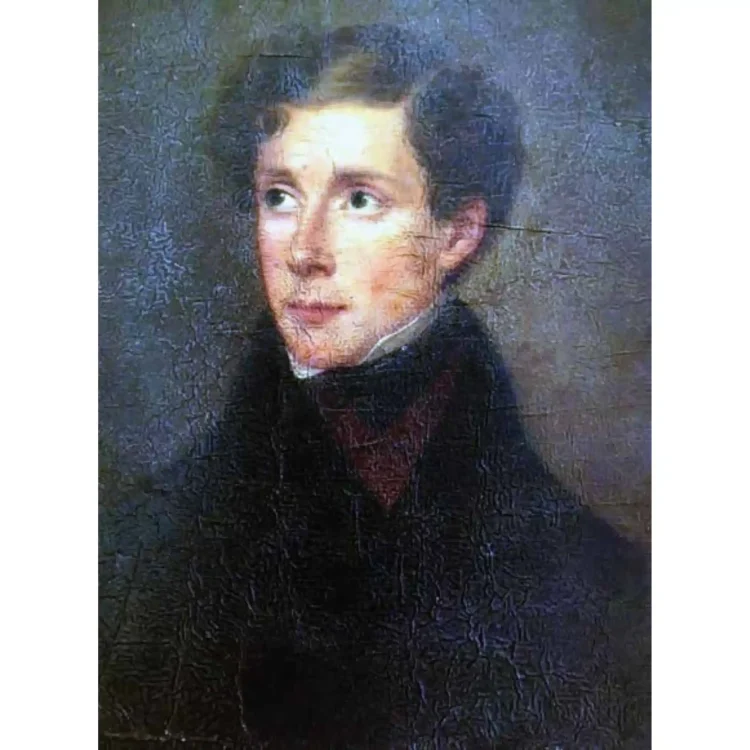
Near the Doheny Family plot is William Joseph O’Neill Daunt.He was a Protestant gentleman who converted to Catholicism in the presence of Father Mathew.
Patrick:
He sounds important.
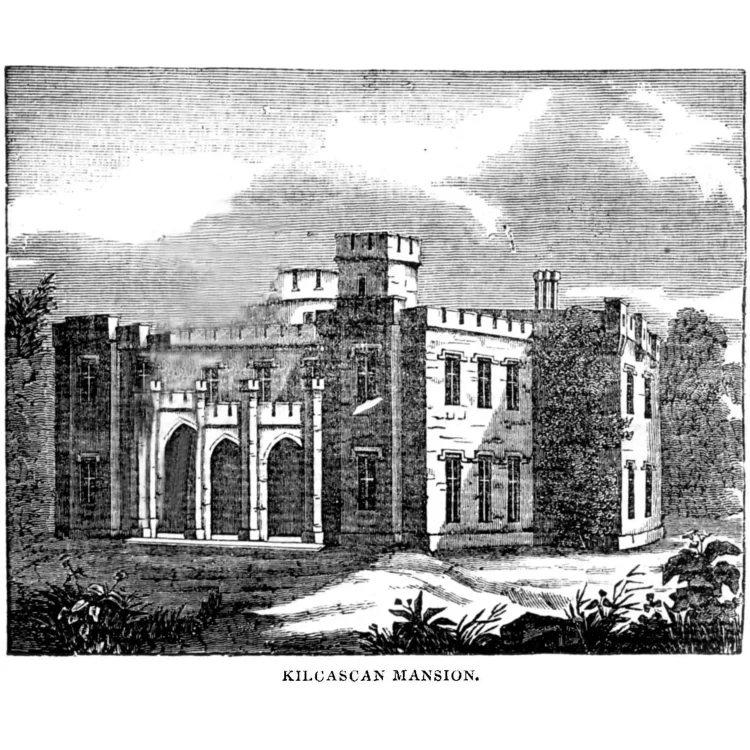
Teacher: He was. He inherited Kilcascan Castle near Ballineen when he was only 19 – after his father died in a duel in 1826. That duel, with Daniel Connor, is one of the last fatal duels in Ireland.
Seán:
A duel? Like with swords?
Teacher: With pistols, actually. After that, William Joseph entered politics, became MP for Mallow in 1832, and supported the Repeal of the Act of Union. Daniel O’Connell chose him as his secretary and they founded the Repeal Association together.
James:
So, he was like O’Connell’s helper?
Teacher:
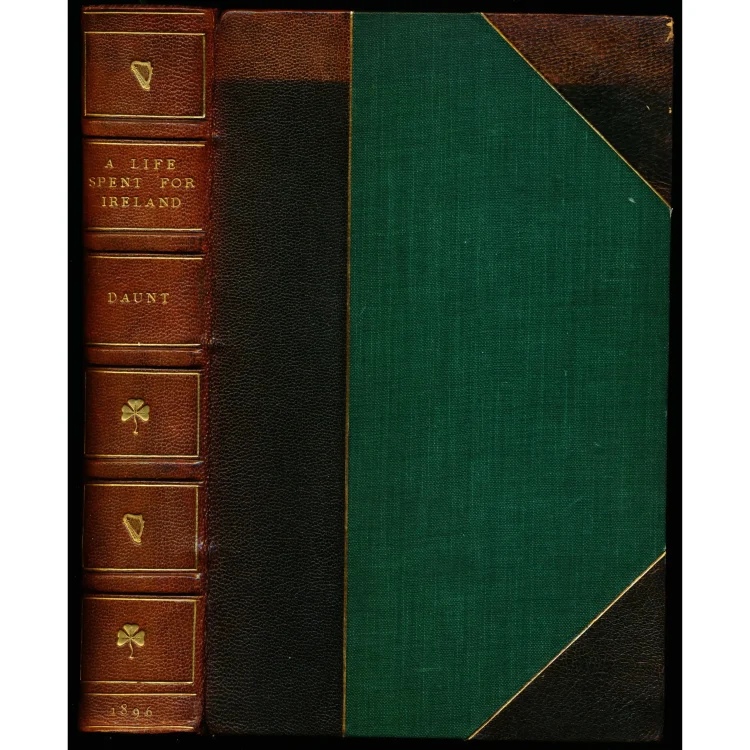
Exactly. He was director of the Repeal Association for Leinster and stayed a lifelong friend. He even wrote “Personal Recollections of the Late Daniel O’Connell” and a diary called “A Life Spent for Ireland.”
Patrick:
Did he write stories?
Teacher:
Yes, he wrote novels under the pen name – a fake name – Denis Ignatius Moriarty. A new plaque put on his grave in 2025 remembers him as one of O’Connell’s staunchest supporters.
Seán:
And then there’s Catholic Emancipation.
Teacher:
Yes, and it’s linked to O’Connell. Catholic Emancipation removed many old laws stopping Catholics from voting or sitting in Parliament. The 1829 Relief Act made it possible.
James:
So, O’Connell was already a big deal when he came to West Cork?
Teacher: He was. In 1841 he was elected MP for County Cork and kept campaigning for Catholic rights .
Patrick:
When did come here?
Teacher:
In 1843. His team decided to hold a huge “Monster Repeal Meeting” in West Cork. A delegation from here, including Father Doheny, asked for a date, and Skibbereen was chosen for 22 June 1843.
Seán:
Did he stop in Dunmanway?
Teacher: Yes! On 21 June 1843, O’Connell travelled from Cork, he reached Dunmanway in the afternoon and stayed that night as a guest of Father Doheny at Lakelands.
James: How was the journey?
Teacher:
There was a little disruption in Ballineen, but O’Connell stayed calm. The soldiers were on standby in Dunmanway, but nothing serious happened.
Patrick:
Was Mary there- the housekeeper ?
Teacher:
Yes! She helped host O’Connell; she had a reputation for being a wonderful cook. In the morning, he was greeted by the townspeople and Councillor O’Sullivan from Bridgemount gave a speech. Then O’Connell, Father Doheny, and others set off for Skibbereen before noon.
Seán:
What’s the connection with Father Mathew ?
Teacher:
Father Mathew came here to preach temperance—no alcohol. Two thousand people packed the church grounds, took the pledge, and the day was so long that he finished late at night and stayed in Father Doheny’s house and started administering the pledge again the next day. Father Mathew came back during the Famine, in 1846 and 1847. His visits gave hope and support during the tough times.
Patrick:
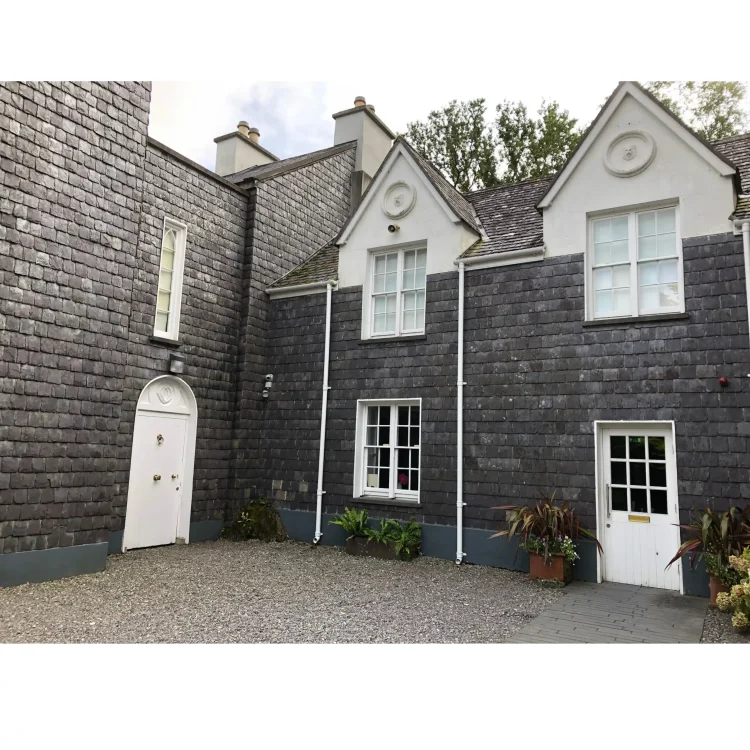
So, in this small corner of Dunmanway, you have a priest who built churches, a fiery politician–friend, a temperance priest, and a liberator who once slept in Lakelands. That’s the Lakeside’s story in a nutshell. I think that’s the house across the lake over there , where they all stayed.
To download the full set of colouring sheets from the Dunmanway Stories on the Street Series, click here: